

At the beginning of the 20th century, if you were looking for a little respite from the snowy winters of cities like Chicago, St. Louis, or Pittsburg and had the means, you might have turned your sights west to the burgeoning resort city of Pasadena.
Reachable by train from the East Coast and Midwest, the relatively young Californian city became a playground for some of America’s most recognizable families. At various times, members of the Pullman, Schwab, Harriman, Rockefeller, Morgan, and Carnegie families all wintered in Pasadena.
These distinguished families stayed in huge hotels like the Raymond and the Hotel Green, which were easily reachable from the Atchison, Topeka and Santa Fe Railway’s Pasadena station. Some might have also rented one of the huge mansions on South Orange Grove Boulevard, and those who wished to stay long-term and take advantage of Pasadena’s promised 350 days of sunshine might have built their own homes, using popular architects Myron Hunt or Greene & Greene.
My next historical novel, The Queen of Roses, is partially set in 1903 when Pasadena was at its height as a glamorous winter retreat that had its own season of parties, dinners, and balls. I chose to set the book in Pasadena in part because it’s familiar ground. I grew up in the area (Altadena and San Marino to be precise), and I have long been fascinated with the history of my hometown.

Early Pasadena History
The history of the the Crown City (also known as the City of Roses) is a long one. The Hahamog’na tribe of the Tongva Nation lived on the land along the banks of the Arroyo Seco. It was the Spanish who made the first European contact, occupying the Los Angeles Basin and building the San Gabriel Mission in 1771.
The land upon which Pasadena would eventually be built was then transformed again thanks to one of the Mexican land grants. Pasadena became part of the Rancho del Rincon de San Pascual, and the land was ranched by various families. In 1843, the governor granted the area to Colonel Manuel Garfias.
In 1848, California was annexed, becoming a state in 1850. Around this time, Garfias began to sell off parcels of land to the first Anglo settlers including Benjamin Wilson, grandfather of World War 2 general George S. Patton, Jr.
During this time, the area that would become Pasadena began to transform from ranch land to citrus farms. The small community began to grow, incorporating as a city in 1886 thanks to an effort by the temperance movement to rid the area of its saloon, making Pasadena a dry city. This move also brought infrastructure like sewers to the area.
Growth in the Crown City
It was the arrival of the Atchison, Topeka and Santa Fe Railway line that brought real growth to Pasadena. Now that the city was connected to the rest of the United States, goods and people now move more easily in and out of the area.
It was during this time that boosters began a targeted advertising campaign on the East Coast and Midwest, promoting a sunny, health-filled fantasy lifestyle that could be achieved just by visiting Pasadena. This was helped by the Valley Hunt Club’s establishment of the Tournament of Roses, an annual tradition that still is going today and culminates in the Rose Parade and Rose Bowl. The Tournament of Roses was started as a way to show off all of the beauty of Pasadena when the rest of the country was blanketed in snow.
As Pasadena established itself as a winter resort, it began to boom. From 1900 to 1910, the population of Pasadena jumped from 9,117 to 30,291, respectively. East Colorado Street (modern day East Colorado Boulevard) saw a boom of shops and services, with high-end jewelers and clothing stores coming to the area. A vibrant club life that revolved around institutions like the Valley Hunt Club developed, and the huge hotels that were built near the railways became places for high society to hold club meetings and balls alike.
Along with the growing population of winter residents and the wealthy, other communities in Pasadena were also growing including the Chinese, Mexican, and Black American populations. Some people worked on the railways or in the city’s hotels, but others began to open small businesses in the city.
The end of the resort era
Despite Pasadena’s success as a winter resort, as with all trends, it began to wane. Other areas became popular vacation locations, and the great hotels began to close and were torn down or repurposed for other uses. The Great Depression also struck the tourism industry across the United States hard.
It was World War 2 and Pasadena’s role as a military, industrial, and research centre that helped pull it out of the depression. The completion of the Arroyo Seco Parkway (also known as the 110 Freeway) in 1940 also connected Pasadena to Los Angeles more efficiently, allowing people to work downtown and live in Pasadena, giving it a new life that continued after the war.
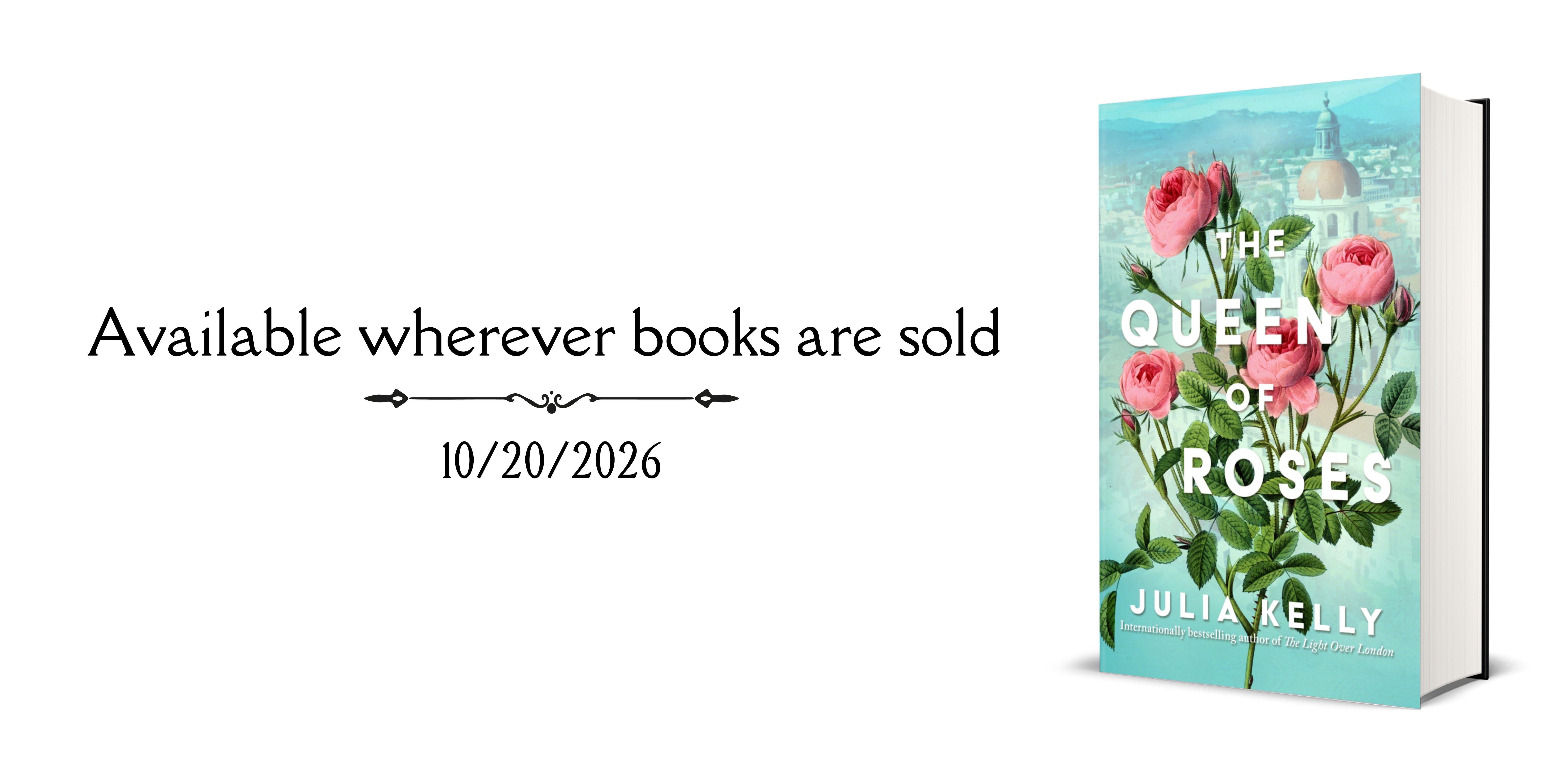
My book The Queen of Roses, a novel about an English debutante navigating life in early twentieth-century Pasadena and the incredible garden that changes her life, is available in print, ebook, and audiobook on October 20th.
It's rather embarrassing, but I do not know anything about Pasadena. I am looking forward to reading your newest book!